Same-Day ShippingQuality Guaranteed

Protective Clothing

Protective clothing encompasses essential Personal Protective Equipment (PPE) designed to shield workers from workplace hazards in industrial, construction, and manufacturing environments. This category includes ANSI/ISEA-certified safety helmets, impact-resistant headgear, and...
1 products
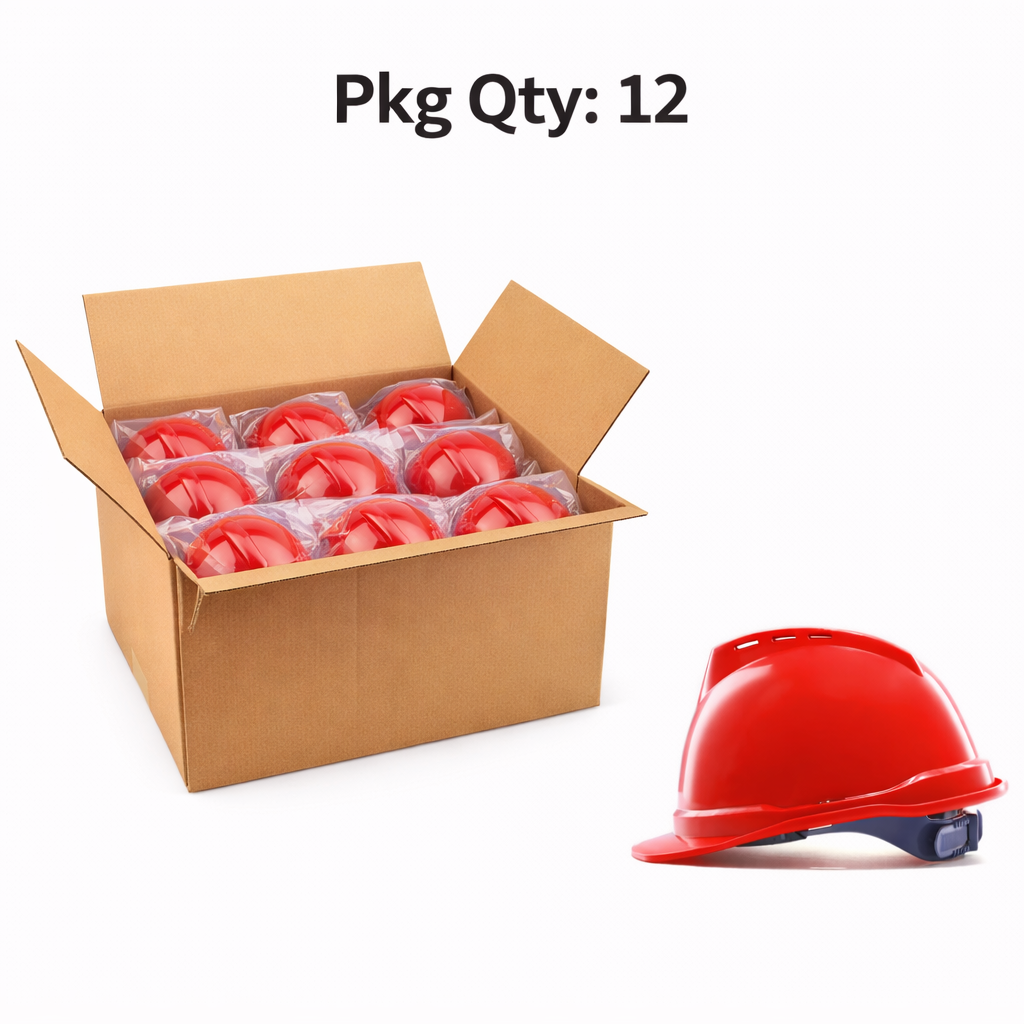
Safety Helmet, V Type Ventilated, 2200V Electrical Insulation, Impact Resistant, Flame Resistant, Red, Pkg Qty 12
Unbranded|SKU: 100014006621
Safety Helmet, V Type Ventilated, 2200V Electrical Insulation, Impact Resistant, Flame Resistant, Red, Pkg Qty 12

Thermoplastic shell provides impact and heat resistance with electrical insulation up to 2200V AC V type ventilated design improves airflow Ratchet adjustment ensures secure fit Suitable for industrial applications

$59.99 /eachIn Stock
Get Quote

How to Choose the Right Protective Clothing

When selecting protective clothing, first identify the specific workplace hazards requiring protection. Consider factors like electrical exposure levels (Class E up to 20,000V, Class G up to 2,200V), impact risks, heat exposure, and chemical splash potential. Ensure all selected items meet relevant ANSI/ISEA standards and OSHA requirements for your industry.

Key features to evaluate include material durability, weight, ventilation systems, and adjustment mechanisms. Look for products with reliable suspension systems that maintain stability while allowing size adjustments. Consider compatibility with other PPE like face shields, earmuffs, and chin straps. For environments with multiple hazards, select items certified for combined protection (e.g., both electrical and impact resistance).

Assess the working environment's temperature conditions and duration of use. Ventilated designs offer better comfort in hot environments, while sealed systems may be necessary for chemical exposure areas. Check UV resistance for outdoor use and ensure high-visibility colors comply with workplace safety protocols. Verify that accessories and replacement parts are readily available to maintain PPE effectiveness throughout its service life.

Frequently Asked Questions

How do I choose between Class E and Class G safety helmets?
Class E helmets provide protection up to 20,000V and are required for high-voltage electrical work. Class G helmets, rated for 2,200V, are suitable for general construction and utility work with lower voltage exposure. Consider your workplace's specific electrical hazards and OSHA requirements when selecting between these classes.
What are the typical applications for ventilated vs. non-ventilated safety helmets?
Ventilated helmets are ideal for hot environments, outdoor work, and situations without electrical or chemical splash hazards. Non-ventilated designs are required for electrical work, chemical environments, and applications where liquid penetration must be prevented. Some models offer closeable vents for versatility.
Which certifications should I look for in protective headgear?
Essential certifications include ANSI/ISEA Z89.1-2014 for impact protection, relevant ASTM standards for specific hazards, and CSA Z94.1 for Canadian applications. Look for Type I certification for top impact protection or Type II for lateral impact protection. Additional certifications may be required for specific industries or hazards.
What is the typical ordering quantity and lead time for safety helmets?
Standard package quantities are typically 12 units per case, with bulk pricing available for larger orders (50+ units). Lead times are usually 1-2 weeks for standard colors and configurations. Custom colors or special requirements may require 3-4 weeks. Volume discounts typically start at 10 cases.
Can face shields and hearing protection be attached to all safety helmets?
Most modern safety helmets feature universal accessory slots compatible with major brands of face shields and earmuffs. However, verify specific model compatibility, especially for electrical applications where accessory attachments must maintain voltage protection ratings. Some specialized attachments may require specific helmet models or adapters.