Eye & Face Protection
Eye and face protection equipment is essential personal protective equipment (PPE) for industrial workplace safety compliance. This category includes ANSI Z87.1-certified safety glasses, goggles, and face shields designed to protect workers from impact hazards, chemical...
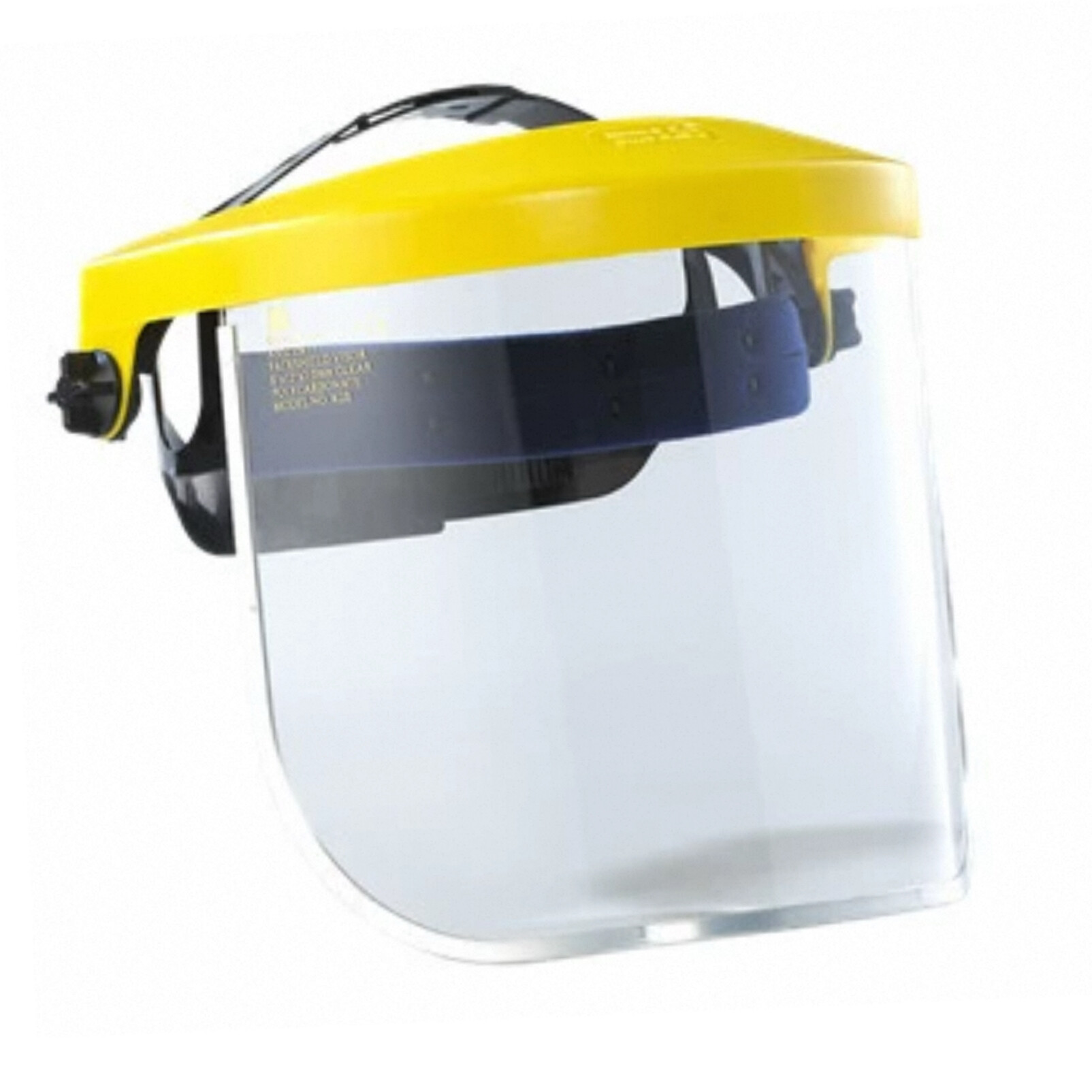
Polycarbonate (PC) Face Shield: Provides high clarity, impact resistance, and durability. Head-Mounted Design: Offers hands-free protection and easy adjustment for a secure fit. High-Impact ABS Headgear: Ensures structural strength and comfort during prolonged use. B-Class Impact Resistance: Withstands high-speed impacts from small projectiles (6mm steel balls at 120m/s). Aluminum-Edged Shield: Enhances impact performance and overall durability. Trusted Brand: From BLUE EAGLE, a reliable manufac
Lightweight safety glasses with anti-fog clear lenses and adjustable temples. ANSI Z87.1+ rated for high-impact protection.
How to Choose the Right Eye & Face Protection
When selecting eye and face protection, start by conducting a workplace hazard assessment to identify specific risks including impact, chemical, dust, or optical radiation hazards. This determines whether safety glasses, goggles, or face shields are required. Consider the level of protection needed - basic safety glasses for impact protection versus sealed goggles for chemical splash protection. All eye protection should meet ANSI Z87.1 standards with appropriate markings.
Key features to evaluate include lens material (typically polycarbonate for impact resistance), coating options (anti-fog, anti-scratch, anti-static), and comfort factors like weight and adjustability. For extended wear, look for padded nose bridges and flexible temple pieces. If prescription eyewear is worn, consider over-the-glass (OTG) designs or prescription insert compatibility. Lens tinting should match specific applications - clear for indoor use, tinted for outdoor work, or specialized filters for welding.
Consider the work environment and user requirements when selecting between disposable versus durable options. High-dust environments may require frequent lens replacement, while chemical processing areas need chemical-resistant materials. Face shields should be evaluated based on coverage area, optical clarity, and compatibility with other PPE like respirators or hard hats. Ensure selected products comply with relevant industry standards and facility safety requirements.